
What is a Wire Mesh Machine? – video youtube
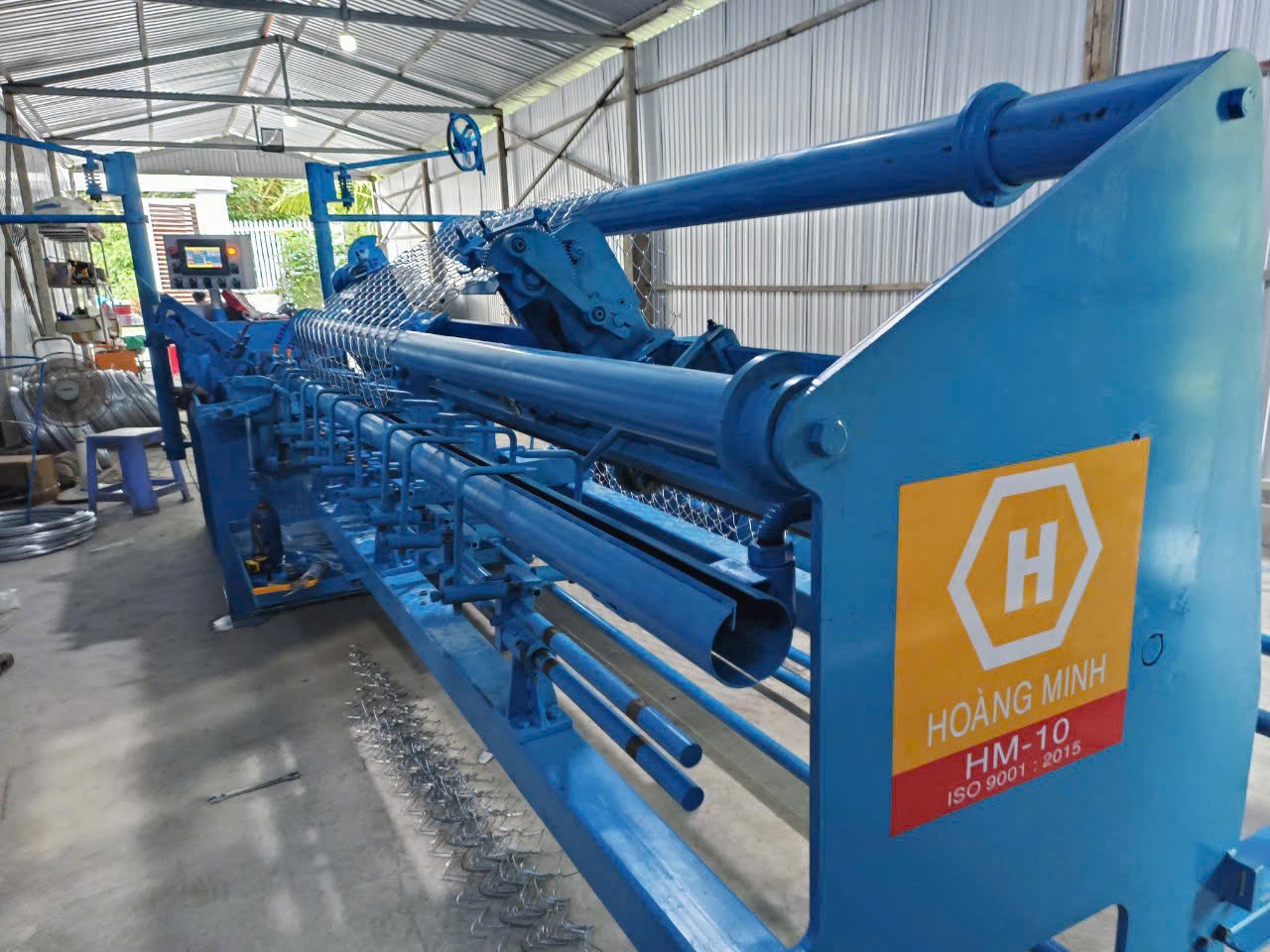
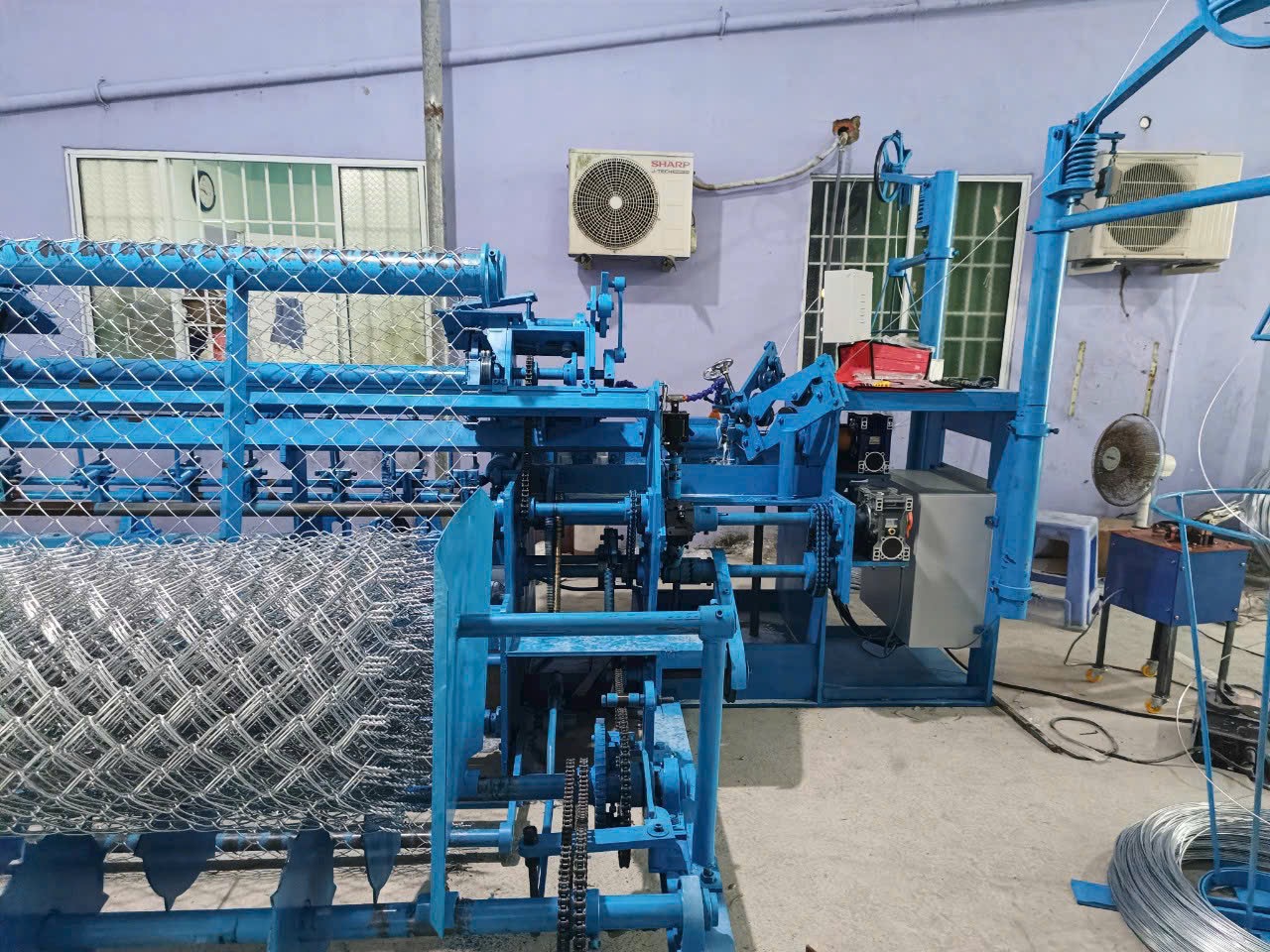
A wire mesh machine is specialized equipment used to manufacture various types of wire mesh for construction, agriculture, and daily-life applications. With a high level of automation, the machine produces uniform, durable mesh with precise dimensions, meeting diverse market demands.
Benefits of Wire Mesh Machines in Daily Life
1. Improving Construction Quality
Wire mesh is widely used in residential buildings, fences, and industrial projects. Thanks to wire mesh machines, finished products are consistent and strong, helping improve structural durability and overall safety.
2. Saving Time and Labor Costs
Compared to manual wire mesh production, using a machine helps:
-
Increase production speed
-
Reduce dependence on manual labor
-
Minimize human errors
This is especially important as labor costs continue to rise.
3. Wide Applications in Agriculture and Farming
Wire mesh produced by wire mesh machines is commonly used for:
-
Garden and farm fencing
-
Livestock cages and enclosures
-
Protective barriers for agricultural areas
These applications make farming and agricultural production more efficient and secure.
4. Promoting Automation in Manufacturing
The adoption of automatic wire mesh machines supports the transition toward automated manufacturing. This helps workshops and factories improve productivity, reduce manual workloads, and enhance competitiveness in the market.
5. Meeting Diverse Social Needs
Wire mesh machines can produce various types of mesh, such as:
-
Chain link fences
-
Construction wire mesh
-
Industrial and residential fencing
This flexibility allows manufacturers to meet different requirements across industries.
The Role of Wire Mesh Machines in Economic Development
Beyond practical benefits, wire mesh machines contribute to:
-
The growth of the mechanical manufacturing industry
-
Expansion opportunities for small and medium workshops
-
Local economic development through increased production capacity
Conclusion
In modern life, wire mesh machines play an essential role in construction, agriculture, and industrial manufacturing. By improving productivity, ensuring product quality, and supporting automation, these machines help enhance living standards and drive sustainable economic growth.